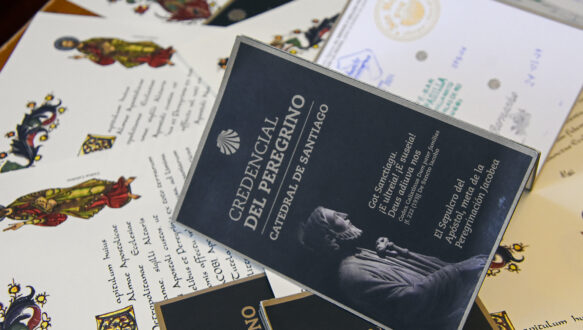
Certifying the end of pilgrimage
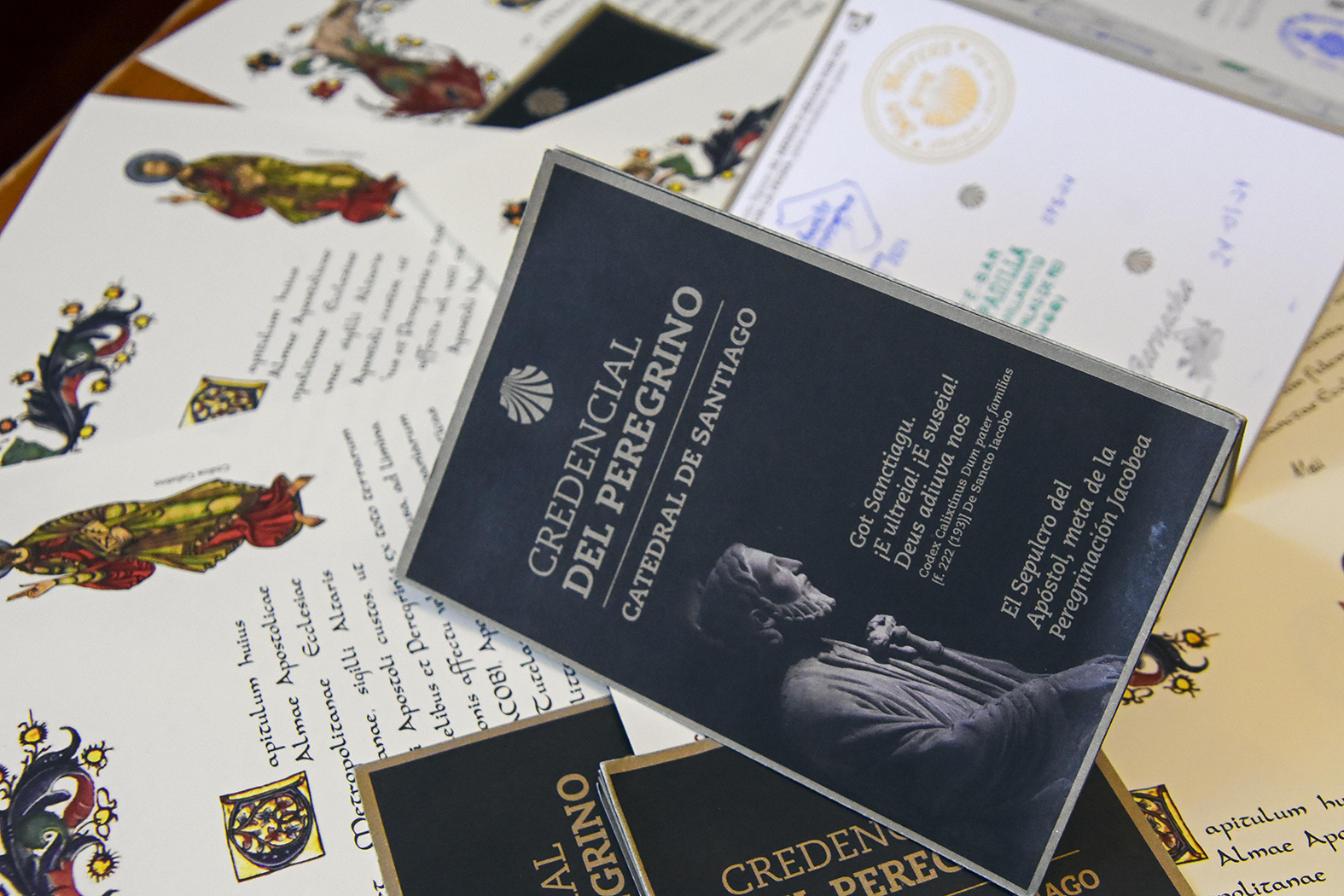
The Compostela es el certificado que reciben los peregrinos al llegar a su meta: la tumba del Apóstol en la Catedral de Santiago de Compostela.
is the certificate that pilgrims receive once they have reached their destination: the tomb of the Apostle in the Cathedral of Santiago de Compostela. In the Middle Ages, not every pilgrim made the pilgrimage on their own initiative; some were sent so that the journey would serve as penitence for their sins; some even did it as a punishment for a crime they had committed. Therefore, upon their return, they were required to prove that they had reached their destination, that they had made the entire Camino to Santiago.
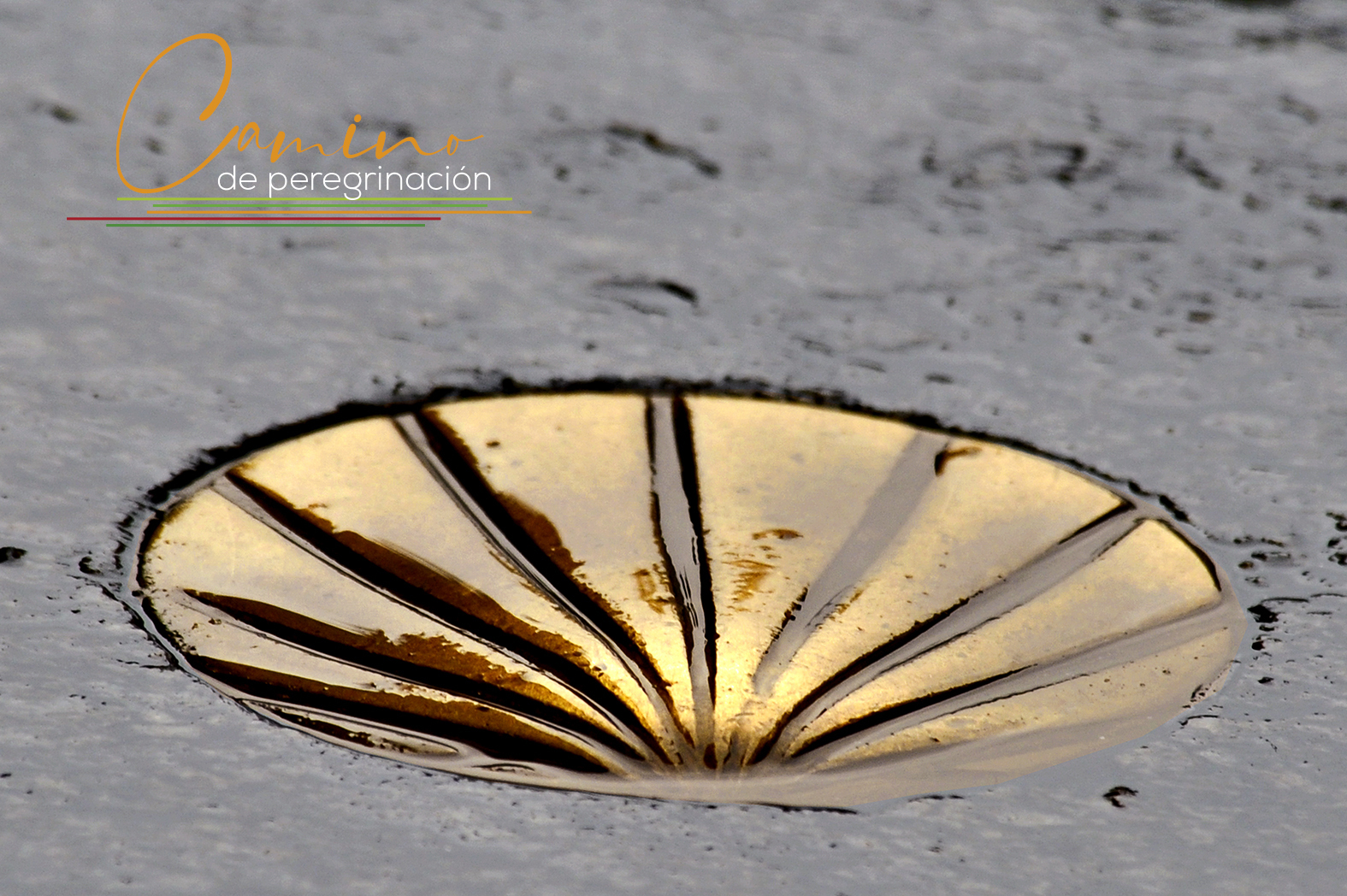
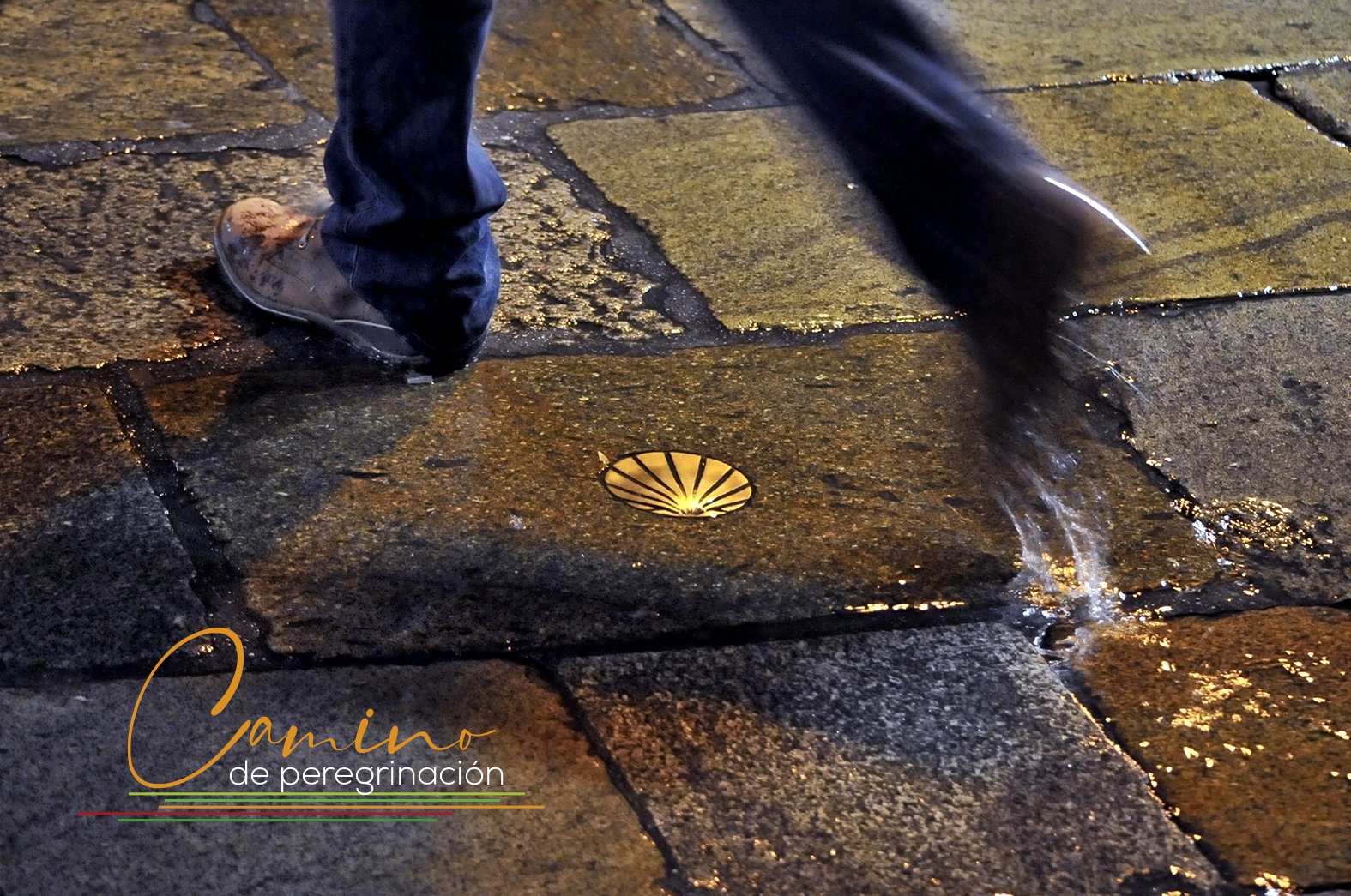
The Chapter of the Cathedral, then, would hand over a scallop shell -perhaps because this species was common on the westernmost maritime coastlines-, which certified the pilgrim had reached the lands of finis terrae. On the other hand, the shell has long symbolised birth and life, a very appropriate symbol for someone who wanted to leave their sin behind, their, let’s say, old man.
During the 13th century and due to the large influx of pilgrims to the city, a confrontation over who would have the monopoly on the sale of shells arose between the Chapter of the Cathedral and the Guild of the Concheiros.
Evidentiary letter
In the 14th century, the Council decided to hand over the monopoly to the Guild of the Concheiros and create a new document, an evidentiary letter called “Carta Probatoria”, which welcomed the pilgrims and certified his arrival with their name. All of the text was -and is- written in Latin. The document also allowed pilgrims to have free lodging and assistance in Pilgrim Hospitals or Monasteries when returning to their place of origin. This is the Latin text of the so-called Carta probatoria or Compostela, as it is known today:
«Capitulum hujus Almae Apostolicae et Metropolitanae Ecclesiae Compostellanae sigilli Altaris Beati Jacobi Apostoli custos, ut omnibus Fidelibus et Peregrinis ex toto terrarum Orbe, devotionis affectu vel voti causa, ad limia Apostoli Nostri Hispaniarum Patroni ac Tutelaris SANCTI JACOBI convenientibus, authenticas visitationis litteras expediat, omnibus et singulis praerentes inspecturis, notum facit:
hoc sacratissimum Templum pietatis causa devote visitasse. In quorum fidem praesentes littras, sigillo ejusdem Sanctae Ecclesiae munitas, ei confero.
Datum Compostellae die mensis anno Dni»
Nowadays, this document is awarded to pilgrims who have completed the last 100 kilometres of the Camino de Santiago by foot. It is also awarded to those who have done the last 200 kilometres by bicycle or on horseback. The document certifies they have done the Camino driven by deep devotion, that is, for spiritual or religious reasons, as indicated in the text of the document. Those who do not walk for this reason can also request another diploma provided for them.